The Bag You Grab Without Thinking: What Your Autopilot Choice Says About Your Real Life

There's a bag you reach for almost every single day. You don't deliberate. You don't weigh your options. Your hand just goes there — same hook, same shelf, same spot by the door — and you're out before you've even had your second cup of coffee.
That bag? It's one of the most honest things about you.
Not the structured tote you bought for your big work presentation. Not the sleek leather crossbody you picked up on vacation because it felt like a newer, more adventurous version of yourself. The one you actually live with — that's the one doing the talking.
Why Defaults Exist in the First Place
Humans are creatures of habit, and nowhere is that more visible than in the small, automatic choices we make before our brains fully boot up in the morning. Psychologists call these "low-effort decisions" — shortcuts our minds create so we don't waste mental energy on things that feel resolved.
Your go-to bag became a default because, at some point, it solved a problem well enough that your brain filed it under "done." It fit your laptop. It held your water bottle without tipping. The zipper didn't catch. Whatever the reason, it earned its spot through repetition, and now it lives there rent-free in your routine.
The interesting part isn't that you have a default. It's which bag made the cut — and what that actually reveals.
Function Always Beats Fantasy
Here's the uncomfortable truth most of us don't want to sit with: the bag you reach for first is the one that fits your real life, not the life you're performing or aspiring to.
Maybe you spent a small fortune on a gorgeous Italian leather satchel because it felt like the kind of bag a more put-together version of you would carry. But every morning, you grab the worn canvas tote with the fraying handles because it holds everything you actually need without making you feel anxious about scuffing it on the subway.
That's not a failure. That's data.
Your default bag is telling you something your aspiration bag never could: what your days are genuinely made of. Long commutes or short walks? Kids' snacks and permission slips, or just your wallet and AirPods? A gym bag stuffed in alongside your laptop, or nothing but the essentials?
The bag that wins the morning is the one that's built for the life you're actually living.
The Gap Between the Collection and the Reality
Most people who love bags — really love them — have a collection that tells two stories. There's the story of who they are on their best, most intentional days. And then there's the story of who they are on a regular Tuesday.
The gap between those two stories is where a lot of unnecessary clutter lives.
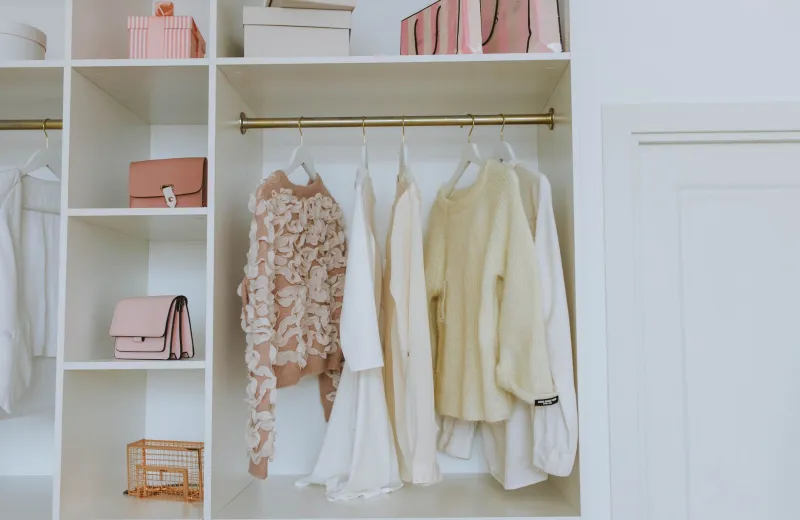
Think about it: if you own twelve bags but reach for the same two on autopilot, what are the other ten doing? They're hanging out in your closet looking hopeful, maybe getting rotated in for special occasions, maybe not getting used at all. They represent money spent, space occupied, and mental weight you carry even when you're not carrying them.
That gap — between the bags you own and the bags you actually use — is worth paying attention to. Not because you need to feel guilty about it, but because it's a signal. It's your actual lifestyle telling you something your shopping habits haven't caught up with yet.
How to Actually Read Your Default
So what does your go-to bag say about you? Here's a loose framework for reading the signs:
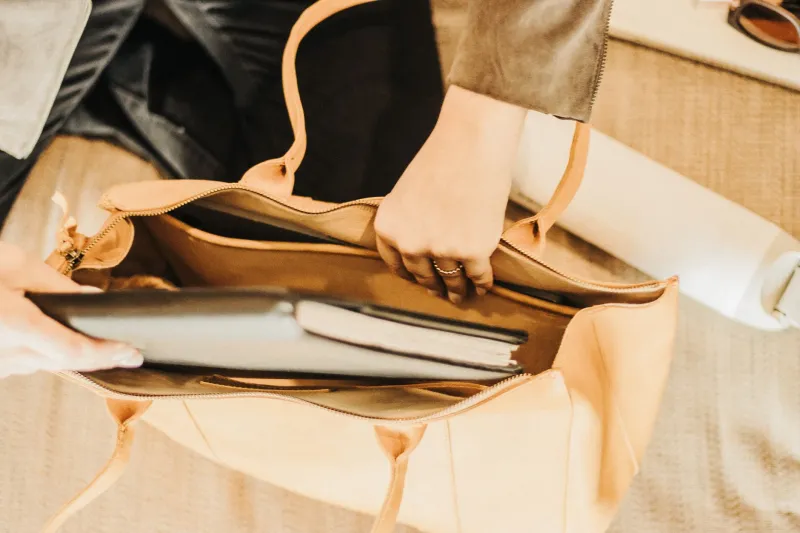
If your default is a large tote: You're a planner, a preparer, someone who'd rather have it and not need it than need it and not have it. You probably also hate having to make a second trip. The question to ask yourself: is all that stuff in there actually getting used, or is the bag just carrying the anxiety of being underprepared?
If your default is a small crossbody: You prioritize mobility and freedom of movement. You've either simplified your life to the point where you don't need much, or you've gotten really good at editing what's essential. Either way, you value not being weighed down — literally and figuratively.
If your default is a backpack: Function is your love language. You're probably juggling a lot — work, gym, errands, life — and you need a bag that can keep up without making you choose. You're practical in the best sense of the word.
If your default rotates constantly: You're either highly intentional about matching your bag to the day's demands (respect), or you haven't found the bag yet — the one that fits your life so well it becomes the obvious choice every time.
None of these are wrong. They're just honest.
What to Do With This Information
Once you notice your default, the next move isn't to feel bad about the bags you're not using. It's to ask a cleaner question: does your collection actually serve the life you're living, or is it a museum of lives you thought you'd be living by now?
If your go-to bag is doing all the heavy lifting, maybe it deserves an upgrade — something that fits the same role but does it even better. Or maybe you realize that the other bags in your rotation aren't earning their keep, and it's time to let a few of them go.
At Beu Bag, we're pretty firm believers in the idea that carrying less means more — more clarity, more intention, more room for the things that actually matter. And that starts with being honest about which bag you actually reach for, not which one looks best in your mental highlight reel.
The Most Useful Bag Is the One You Actually Use
It sounds obvious when you say it out loud, but it's worth repeating: the best bag for you is the one that fits your real days, not your ideal ones.
That doesn't mean you can't aspire to a different kind of bag or a different kind of life. It just means starting from where you actually are — with the bag on that hook by the door, the one your hand finds without looking.
That bag knows you. Maybe it's time you returned the favor and listened to what it's been trying to tell you all along.