Sitting in the Dark: The Real Cost of a Bag You're Too Scared to Actually Wear
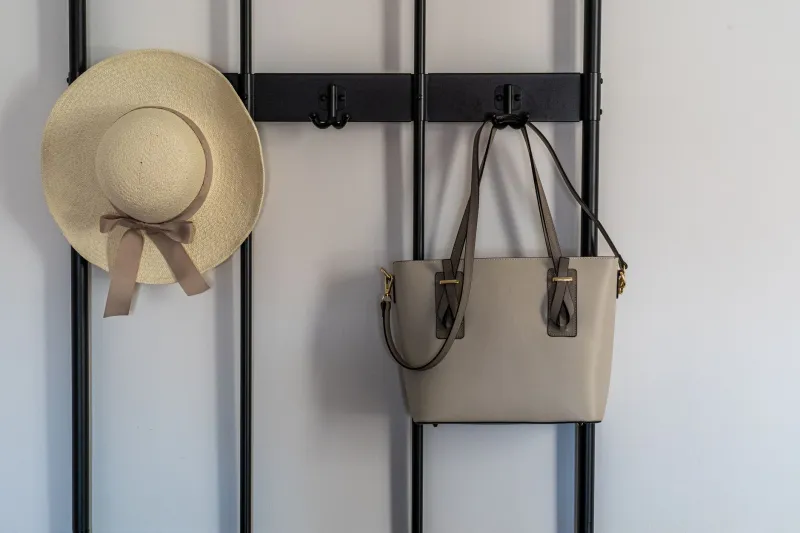
Somewhere in your closet, there's a bag having a terrible time.
Maybe it's tucked into its original dust bag, nestled inside the box it came in, sitting on a shelf like a museum artifact. Maybe you take it out occasionally — hold it, admire it, consider it — then carefully put it back. You tell yourself you're saving it. For what, exactly? A dinner fancy enough to deserve it? A version of yourself who feels worthy of carrying it without anxiety?
Here's the thing: that bag isn't being protected. It's being sentenced.
And if you spent serious money on it — or someone you love did — that sentence comes with a price tag.
The Psychology of the 'Too Good to Use' Trap
This is a remarkably common behavior, and it has a name in consumer psychology: anticipated regret. We buy something beautiful, something that cost real money or carried real meaning, and then we immediately start protecting ourselves from the imaginary grief of damaging it. So we don't use it. We protect ourselves straight into a situation where we've spent hundreds — sometimes thousands — of dollars on an object that contributes absolutely nothing to our actual life.
There's also a status component at play. A pristine bag, still in its box, feels like proof that we can have nice things. The moment we start using it, we risk that proof getting scuffed. But here's the quiet irony: a beautiful bag sitting in a closet doesn't signal that you have good taste. It signals that you don't fully trust yourself to enjoy what you own.
Using something well — carrying it, living in it, letting it accumulate the small marks of a real life — that's the actual flex.
What 'Saving It' Is Actually Costing You
Let's get practical for a second, because the financial math here is brutal.
Say you spent $400 on a leather tote. You carry it four times a year on truly special occasions. Over five years, that's maybe 20 uses. Your cost-per-use? Twenty dollars. That's not a luxury purchase anymore — that's an expensive display piece. Meanwhile, the $60 bag you grabbed on impulse and carry three times a week has a cost-per-use of pennies. Which one is actually serving you?
This isn't an argument for cheap bags. It's an argument for using the good ones.
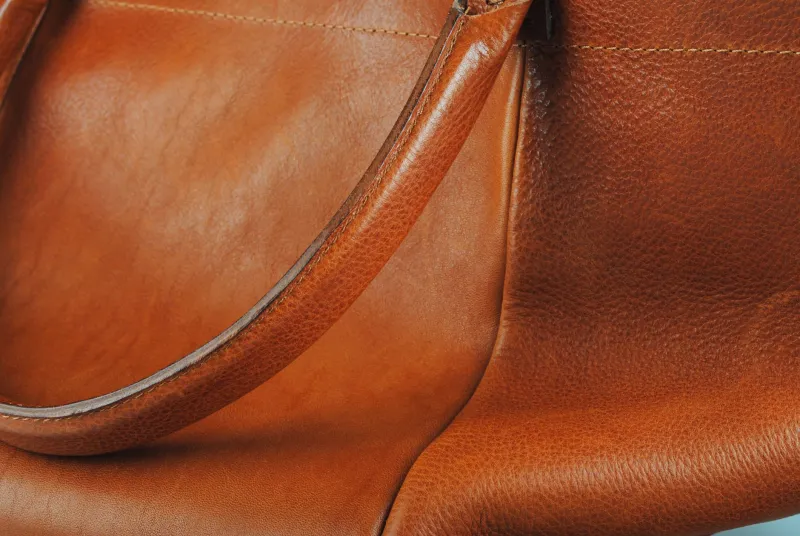
There's also the depreciation angle that nobody talks about. Leather, in particular, needs to be used. It needs the oils from your hands, the movement, the conditioning that comes from regular wear. A leather bag left untouched in a box for years can actually crack, dry out, and deteriorate faster than one that's carried regularly and cared for. You're not preserving it. You're quietly destroying it in slow motion.
Permission to Actually Live With Your Things
American consumer culture has a complicated relationship with 'nice things.' We're taught, sometimes explicitly, that good stuff is meant to be saved — the good china for holidays, the fancy perfume for special occasions, the expensive bag for... someday. This scarcity mindset made sense when resources were genuinely scarce. It makes a lot less sense when it's causing you to spend significant money on things you never actually enjoy.
Here's your permission slip: use the bag.
Take it to brunch on a random Saturday. Carry it to the farmer's market. Throw your gym clothes in it on a Tuesday. Let it be part of your actual life, not a highlight reel version of it.
The 'right moment' you're waiting for? It's not coming as a scheduled event. It's every ordinary day you get to carry something you genuinely love.
Reframing What 'Wear and Tear' Actually Means
This is where the mindset shift gets interesting.
We've been conditioned to treat wear and tear as failure — as evidence that something has been ruined. But look at the bags people genuinely treasure. The worn leather corners on a bag that's been carried through airports and dinner parties and grocery runs. The slight softening of a structured silhouette after years of use. The hardware that's lost its sharp factory shine.
Those aren't flaws. That's character. That's proof.
The most coveted vintage bags in the world aren't valuable because they were kept in boxes. They're valuable because they were loved. They were used. They carry the evidence of a life — and that's exactly what makes them worth something beyond their original price.
When you let your bag develop its own history, you're not degrading it. You're completing it.
A Few Practical Ways to Actually Start Using It
If you've been in the 'too scared to use it' camp for a while, breaking that habit can feel genuinely uncomfortable. Here are a few ways to ease in:
Start with lower-stakes outings. You don't have to debut your prized bag at a wedding. Take it to a coffee shop. Carry it on a walk. Get comfortable with how it feels in your hands before you stress about where it's going.
Invest in basic care, not avoidance. A leather conditioner, a quality spray protector, a soft cloth for wipe-downs — these things cost almost nothing and take five minutes. Knowing you can maintain your bag properly makes carrying it feel a lot less risky.
Let go of the 'perfect condition' finish line. The goal was never to return the bag to the store in the same condition you bought it. The goal was to carry something beautiful through your life. Those are different objectives, and only one of them is actually achievable.
Ask yourself what you were really buying. When you purchased that bag — or when someone gave it to you — what was the point? Joy. Function. Self-expression. None of those things happen on a shelf.
Carry Less Fear. Mean More.
At Beu Bag, we're pretty serious about the idea that what you carry should mean something. Not because it's expensive. Not because it's pristine. But because it's yours — and because you actually use it.
The bags that mean the most aren't the ones in the best condition. They're the ones that went everywhere with you. The ones that got rained on and repaired and carried through hard days and great ones. The ones that look like they lived.
Your 'too good to use' bag is waiting. Not for a special occasion. For you to decide that an ordinary Wednesday is special enough.
Because it is. And so is the bag.