Matching Clutches and Quiet Resentment: The Real Cost of Wedding Season Accessories
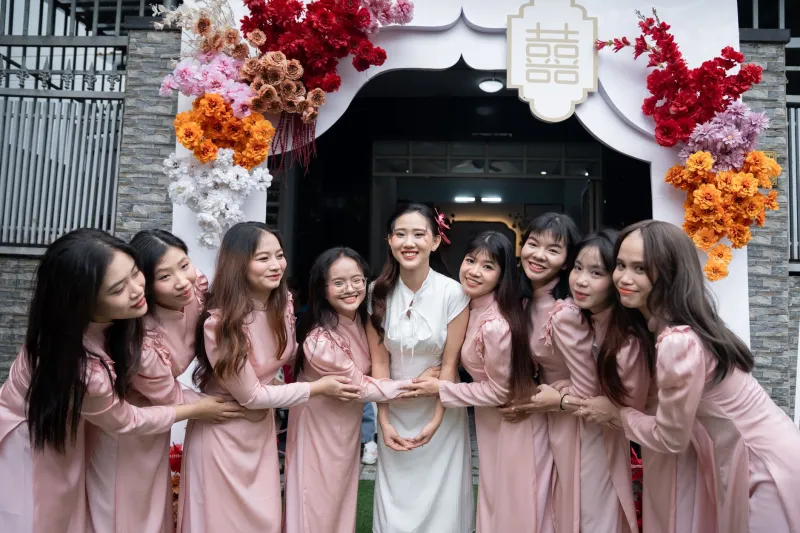
Somewhere between the dress and the shoes and the gift and the shower and the bachelorette weekend, there's a line item nobody puts in the wedding budget spreadsheet: the bag.
The matching clutch the bride picks out on Pinterest. The metallic bag you buy because the invitation said "cocktail attire, earth tones." The crossbody you purchase for the rehearsal dinner and the slightly different one for the actual wedding. Individually, each feels small. Add them up across one wedding — or worse, a wedding season — and the number gets uncomfortable.
This is the part of American wedding culture we don't discuss: the accessories are a quiet transfer of cost, taste, and emotional labor from the couple to the people standing next to them.
The Clutch Isn't Really a Gift
Let's address the tradition first. Many brides buy or make matching clutches for their bridesmaids, and it's genuinely a sweet gesture. But let's be honest about what it often is: the bride choosing an accessory for your body, your outfit, and your wallet, then presenting it as a gift.
Sometimes it works — a versatile metallic clutch is a real asset. But just as often it's a beaded, rhinestone-clasped bag in a color that exists nowhere else in your life. You carry it for six hours, smile in photos, and then it lives in a drawer for a decade, a small monument to someone else's aesthetic.
The gift that requires you to coordinate your entire look around it isn't quite a gift. It's a uniform component with better packaging.
The Math Nobody Runs
Run the actual numbers on a typical bridesmaid gig. Dress: $150 to $250. Shoes: $80. Alterations: $60. Hair and makeup if required: $125 or more. Travel and hotel: varies wildly. Gift: $100, minimum, and that's the conservative end.
Now add the bag. If the bride provides one, fine. If not, you're buying something that matches a dress you didn't pick, in a shade dictated by a mood board, for a single evening. Call it $60 to $150.
And here's the thing — the bag is often the most resented purchase on the list, because it's the most obviously single-use. Nobody resents comfortable shoes. Everybody resents a satin clutch with their name engraved on the bottom.
When "Coordination" Becomes a Demand
There's a spectrum here, and it's worth knowing where you stand on it.
At the reasonable end: "we're going with navy and gold, pick whatever bag you like." That's a color palette, not a mandate. You can almost certainly shop your own closet.
In the middle: specific bag requests — "a small metallic clutch, any brand." Annoying but manageable, and usually reusable.
At the far end: links to specific bags at specific prices, sometimes with a purchase deadline. This is where coordination culture stops being a vibe and becomes an invoice.
The unspoken rule is that pushing back makes you difficult — the wedding villain, the one the group chat discusses. And that fear, more than the money, is why most people just pay.
How to Push Back Without the Group-Chat Drama
You don't have to choose between swallowing the cost and torching a friendship. There's a middle path, and it's mostly about framing.
Ask early, and ask practically. "Do you want us to match bags, or is anything in the color family fine?" posed months out reads as helpful, not resistant. Most brides haven't thought about it and will happily release you.
Offer the closet option. "I have a nude clutch that would work — want me to send a photo?" gives the bride veto power without a price tag. Most people, given the chance to say yes to something free, will.
Pool resources. If a specific bag is required, propose splitting a bulk order or finding a rental. Framing it as logistics, not objection, keeps everyone's dignity intact.
Budget out loud, gently. With close friends, honesty is underrated: "I'm at my limit for this wedding — can I wear something I own?" Said with warmth, this almost never lands as badly as we fear. The dread is worse than the conversation.
A Case for Loosening the Grip
Here's the opinion part: nobody in the wedding photos is looking at the bags. The bride's vision lives in the dresses, the flowers, the lighting. A mismatched clutch is invisible. A bridesmaid who feels financially squeezed and emotionally unconsulted is not invisible — it shows in the group dynamic, in the bachelorette chatter, in whether people show up enthusiastically or out of obligation.
If you're getting married, the kindest thing you can do for your people is shrink the accessory ask. Provide the clutches as actual gifts — ones you'd be happy to receive — or explicitly free the bag choice. "Carry whatever you want" might be the most appreciated sentence of your whole planning process.
And if you're the one in the bridal party? Your bag, your rules. Carry Less, Mean More applies to obligations, too.