Always Upgrading, Never Arriving: The Hidden Cost of Chasing the Perfect Bag
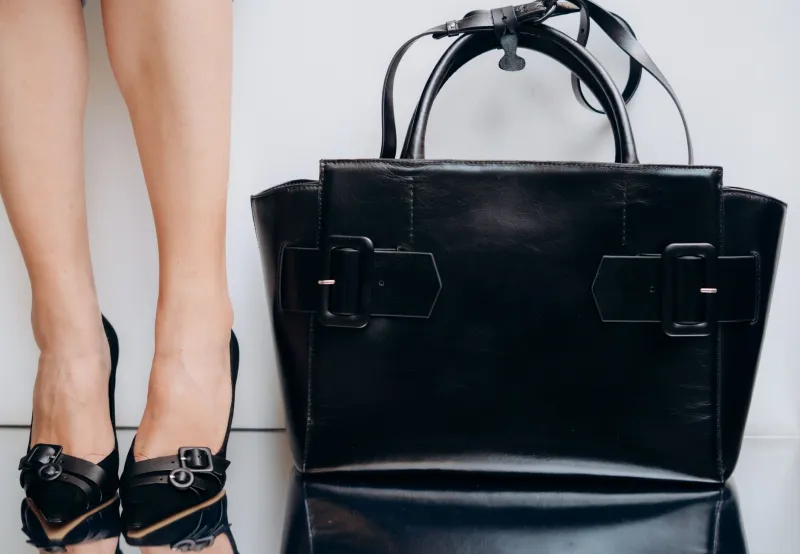
Let's be honest about something. That structured tote you bought last spring? You were convinced it was going to be the one. The bag that finally pulled everything together — your outfits, your morning routine, maybe even your life in some loosely defined way. And for about three weeks, it was. Then the itch came back.
This isn't a character flaw. It's a pattern, and it has a name: upgrade culture. And in the world of bags and accessories, it's quietly draining bank accounts and cluttering closets from coast to coast.
What Upgrade Culture Actually Looks Like
Upgrade culture in fashion works differently than it does with, say, a smartphone. With tech, there's usually a measurable reason to upgrade — more storage, a better camera, longer battery life. With bags, the logic is fuzzier. The new one is prettier. It's more elevated. It feels more like the person you're trying to become.
That last part is worth sitting with. A lot of bag upgrades aren't really about the bag at all. They're about identity — specifically, a slightly shinier version of yourself that you believe the right bag will help you inhabit. Style psychologists call this "aspirational purchasing," and it's one of the more effective traps the fashion industry has ever built.
The cycle tends to follow a predictable arc. You buy a bag. You love it. You use it until familiarity sets in and the novelty fades. You start noticing what it lacks — the color isn't quite right, the strap isn't adjustable, it doesn't have a zipper pocket on the outside. You research. You find something better. You buy it. Repeat.
None of these individual decisions feels irrational in the moment. Each upgrade seems justified. But zoom out, and what you've got is a pattern of perpetual dissatisfaction disguised as discernment.
The Minimalist Alternative Isn't What You Think
When people hear "minimalism," they tend to imagine extreme deprivation — a single black bag, no exceptions, forever. That's not the point. Intentional ownership is something different. It's about understanding why you want what you want before you buy it, rather than reverse-engineering a justification after the fact.
The distinction matters because it shifts the question. Instead of asking "Is this bag better than the one I have?" — which almost any new bag can claim to be in some small way — you start asking "Does this bag actually solve a real problem I'm experiencing?" Those two questions lead to very different shopping behaviors.
A genuine upgrade has a specific answer to a specific problem. Your current bag's zipper broke and can't be repaired. You changed jobs and now need something that fits a laptop. You moved to a city where you're walking three miles a day and a crossbody makes more sense than a tote. These are real reasons. They have clear before-and-after logic.
Incremental consumption, on the other hand, is upgrade language applied to lifestyle maintenance. "I just need something a little more polished." "This one is basically the same but in a better color." "I've had the old one for two years, so." These aren't problems. They're justifications.
Why We're So Good at Fooling Ourselves
Part of what makes upgrade culture so sticky is that it borrows the vocabulary of self-care and intentionality. Brands have gotten very good at positioning new purchases as acts of self-respect — treating yourself, investing in quality, editing your life toward something more curated. The language sounds almost therapeutic.
Social media accelerates this. When you see someone's beautifully lit flat lay featuring a bag you don't own, your brain doesn't process it as advertising. It processes it as evidence — evidence that a certain kind of life is available to you, if only you had the right accessories. The upgrade feels less like spending and more like catching up.
There's also a phenomenon worth naming: the "arrival fallacy," a term coined by positive psychologist Tal Ben-Shahar to describe the mistaken belief that reaching a goal — or acquiring a thing — will produce lasting happiness. It won't. The satisfaction from a new bag is real, but it's also temporary. And when it fades, the upgrade cycle starts again.
How to Actually Tell the Difference
So how do you know when an upgrade is worth it? A few questions worth asking before you click "add to cart":
Have you lived with the want for at least 30 days? Genuine need tends to stick around. Impulse purchases usually lose their urgency within a few weeks. If you're still thinking about the same bag a month later, that's a more reliable signal than a Tuesday afternoon craving.
Can you name exactly what your current bag isn't doing? Vague dissatisfaction isn't a reason to spend. If you can't articulate a specific functional or practical gap, you're probably shopping for a feeling, not a bag.
Does the new bag solve that problem — or just look like it does? A crossbody with more pockets sounds like it solves disorganization. But if the disorganization is really about your habits, not your bag, you'll have the same problem in six months with a new bag and fewer dollars.
What happens to the old one? If the answer is "it goes in the closet," that's a signal. A genuine upgrade usually means the old bag has genuinely run its course — not that it's being benched because something shinier showed up.
The Case for Working With What You Have
There's a version of style confidence that doesn't come from owning the newest or most elevated thing. It comes from knowing your stuff well — understanding how to style what you own, how to make it work across different contexts, how to carry it in a way that feels intentional rather than accidental.
That kind of confidence is actually rarer, and more attractive, than a rotating roster of new bags. Anyone can buy something new. Fewer people can make something familiar feel consistently considered.
The brands that understand this — and the consumers who've figured it out — tend to operate with a different set of values. Quality over volume. Longevity over novelty. Owning fewer things that do more, rather than more things that each do a little.
At Beu Bag, that's kind of the whole point. Carry less. Mean more. It's not a slogan about deprivation. It's an argument that the right bag — chosen carefully, used intentionally — carries more weight than a closet full of almost-right ones ever could.
The upgrade trap isn't about being bad at shopping. It's about not having a clear enough sense of what you actually need before you start looking. Get that part right, and the upgrades you do make will feel like decisions rather than defaults.